Living in Richmond Hill
Is Richmond Hill a Good Place to Live?
For most people, yes — Richmond Hill offers strong schools, lots of green space, good transit and highway access, and a safe, family-friendly feel. The main trade-offs are cost and a car-dependent layout outside the Yonge corridor. Here is the honest picture. Get a free valuation or explore neighbourhoods.
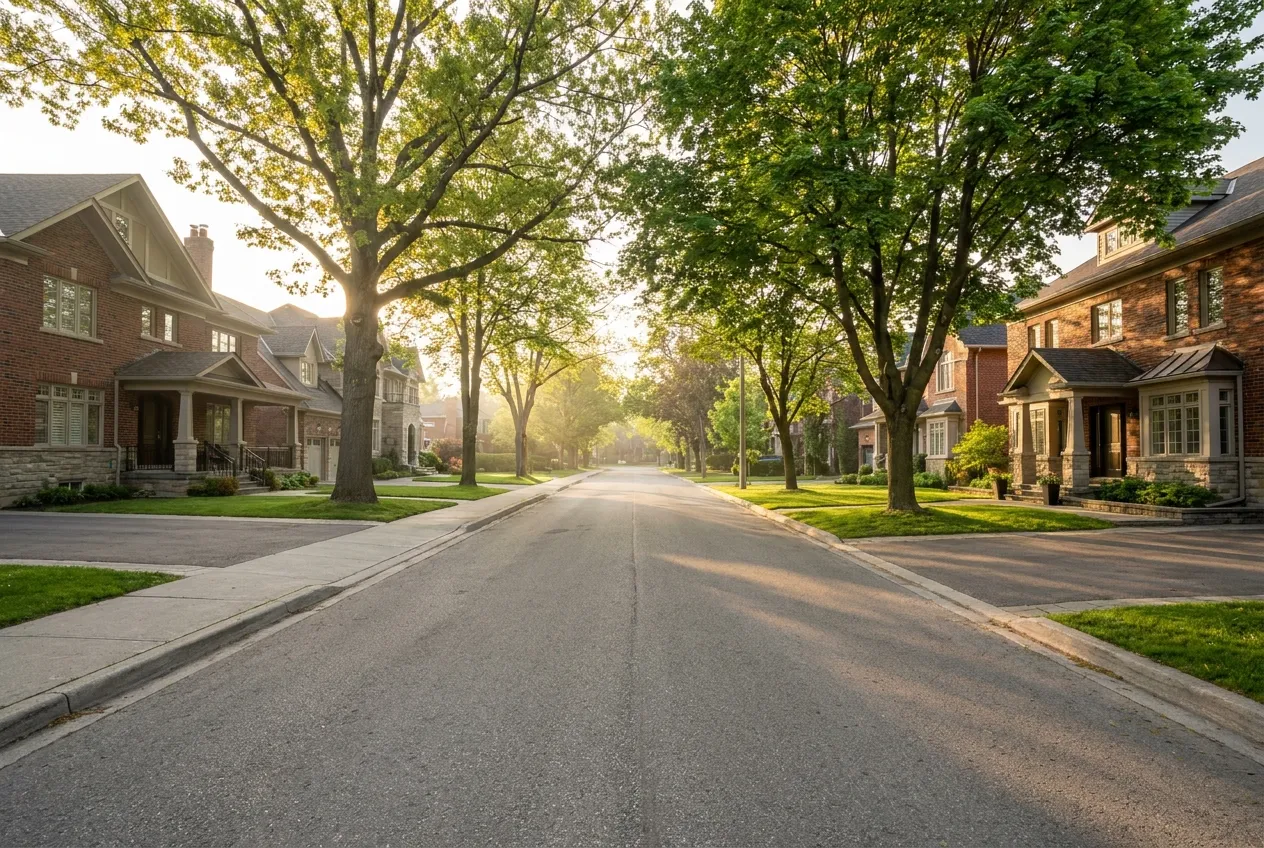
Richmond Hill consistently ranks among the more desirable places to live in the Greater Toronto Area. It is worth understanding why — and where the trade-offs are — before you commit. Here is a straight look at the things that actually shape daily life.
Schools
Richmond Hill is known for strong public, Catholic, and French-immersion schools, and good school catchments are a major driver of both demand and price. If schools matter to you, confirm the exact boundary for any home before you buy, because catchments shift and can change a home’s appeal.
Commute and transit
Getting around is a real strength, especially in the south. The Richmond Hill and Langstaff GO lines run downtown, Viva and York Region Transit cover the main corridors, and Highways 404 and 407 ring the city. A Yonge subway extension is planned, which would further boost the Langstaff and Richmond Hill Centre area. Outside the Yonge corridor, though, life is car-dependent.
Green space and lifestyle
This is where Richmond Hill shines. The Oak Ridges Moraine, Lake Wilcox, the Mill Pond, and a deep network of parks and trails give the city an outdoors-first character rare this close to Toronto. Weekends here lean toward trails and lakes as much as malls.
Dining, shopping and community
Richmond Hill is diverse, and its food scene reflects it, with excellent and varied restaurants along Yonge and Highway 7. Major shopping at Hillcrest Mall and the Highway 7 corridor covers everyday and big-ticket needs alike.
Cost: the main trade-off
The honest downside is price. Richmond Hill is one of the pricier parts of the GTA, with detached homes well into seven figures across most areas. The upside is choice: condos and townhomes near transit in the south offer far more accessible entry points than the detached market. Our sold prices guide breaks down what each type actually costs.
So, is it right for you?
If you value schools, green space, and connectivity, and your budget fits the market, Richmond Hill is an easy place to recommend. The best next step is to pick two or three neighbourhoods that match your priorities and compare them closely. When you are ready, a free valuation tells you exactly what your budget buys here.
Thinking of making a move in Richmond Hill?
Get a free, no-obligation home valuation or talk to a trusted local agent. No pressure, no spam — just straight answers about your options.
Living in Richmond Hill: your questions answered
Is Richmond Hill a good place to live?
For most people, yes. It offers strong schools, lots of green space, good transit and highway access, diverse dining, and a safe, family-friendly feel. The main trade-offs are cost and a car-dependent layout outside the Yonge corridor.
Is Richmond Hill expensive?
It is one of the pricier parts of the GTA, with detached homes well into seven figures in most areas. Condos and townhomes offer more accessible entry points, especially near transit in the south.
Is Richmond Hill good for commuting to Toronto?
Yes, especially from the south. The Richmond Hill and Langstaff GO lines, Viva and York Region Transit, and Highways 404 and 407 all serve commuters, with a Yonge subway extension planned.
Is Richmond Hill safe?
Richmond Hill is generally regarded as a safe, family-oriented community. As anywhere, conditions vary by pocket — a local agent can speak to specific streets and neighbourhoods.
Thinking of making a move in Richmond Hill?
Get a free, no-obligation home valuation or talk to a trusted local agent. No pressure, no spam — just straight answers about your options.